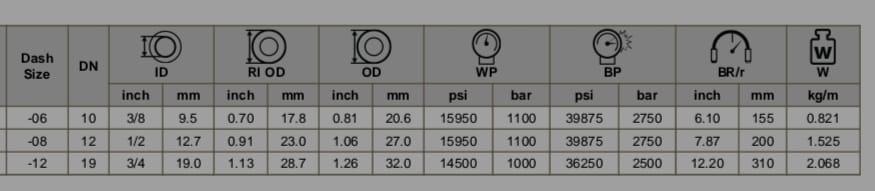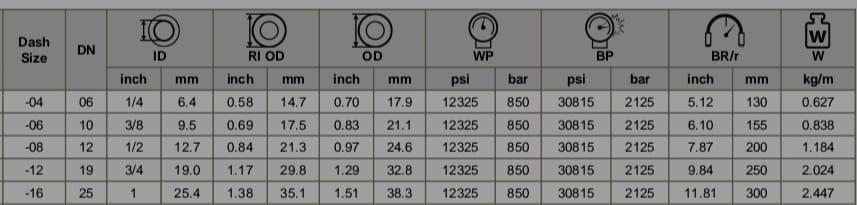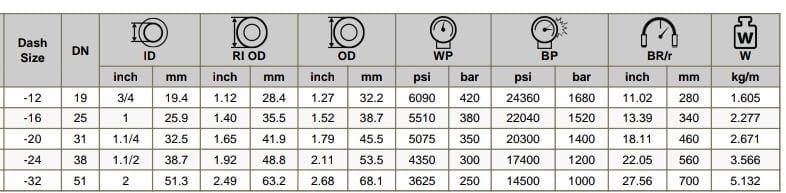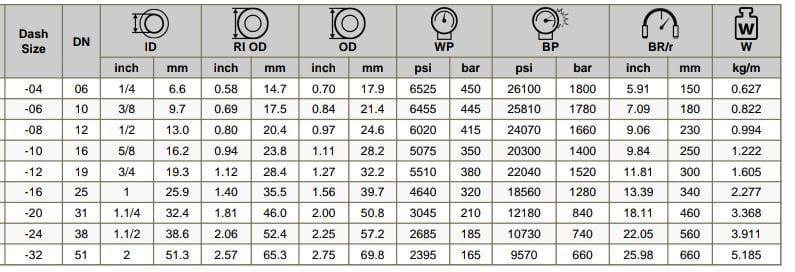
Preview

This is your website preview.

Currently it only shows your basic business info. Start adding relevant business details such as description, images and products or services to gain your customers attention by using Boost 360 android app / iOS App / web portal.

MECHTECHENGINEERING 59c0de519d3cf30b3c7a6281 Products https://www.mechtecheng.in
industrial
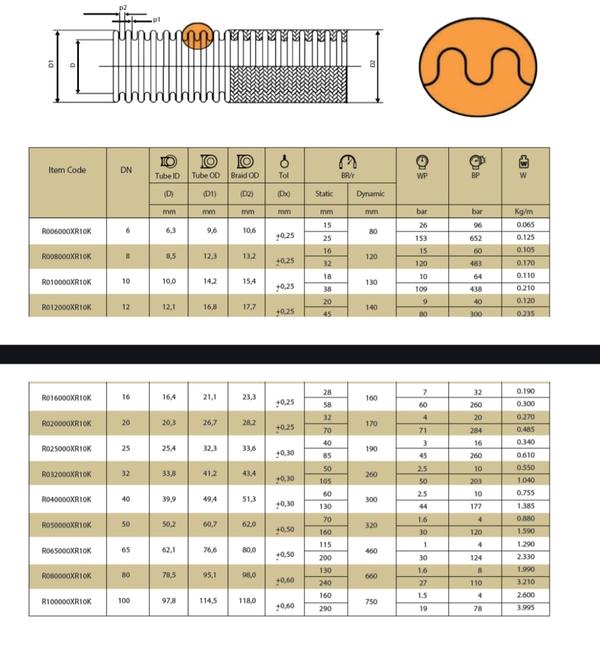
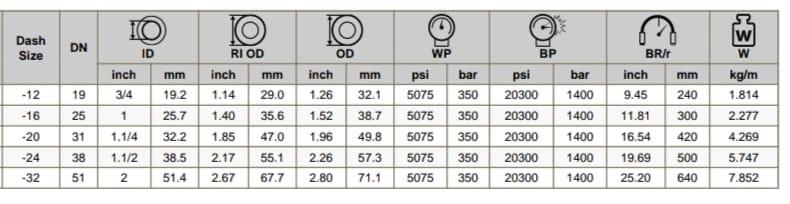
Material:Inner Liner: Made from stainless steel or other corrosion-resistant alloys. The metal liner provides strength, durability, and resistance to high pressures and temperatures. Stainless steel is commonly used due to its excellent corrosion resistance and mechanical properties.Corrugated Construction: The hose features a corrugated or spiral pattern along its length. This corrugated design allows the hose to flex and bend without kinking, making it easier to route in complex configurations while maintaining fluid flow.Reinforcement: In some designs, the metal hose is reinforced with additional layers of braiding or spiral-wound metal to enhance strength and pressure capability. Reinforcement can also improve the hose’s resistance to external damage and abrasion.Outer Cover: May be covered with an additional layer of metal or protective coating for added durability and protection against environmental factors. This outer cover helps prevent external damage and wear.Pressure Rating:Working Pressure: Corrugated flexible metal hoses are designed to handle a wide range of pressures, often from 10 bar to 40 bar (approximately 150 psi to 580 psi), depending on the hose's construction and reinforcement.Temperature Range:Operating Temperature: Effective across a broad temperature range, typically from -196°C to +600°C (-321°F to +1112°F), depending on the material and construction. This makes them suitable for extreme temperature conditions.Flexibility:Bending Radius: The corrugated design provides significant flexibility, allowing the hose to bend and flex while maintaining its performance. The hose can navigate around obstacles and adapt to various installation scenarios.Chemical Resistance:Compatibility: Metal hoses are resistant to many chemicals, especially when made from stainless steel or other corrosion-resistant alloys. This makes them suitable for transferring fluids and gases that might be corrosive or reactive.Safety Features:Burst Pressure: Designed with a burst pressure well above the working pressure to ensure safety and prevent hose failure. The metal construction provides strength and resilience under high-pressure conditions.
STANDARD CORRUGATED FLEXIBLE METAL HOS
VIEW DETAILS
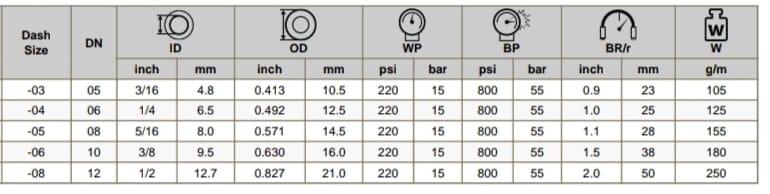
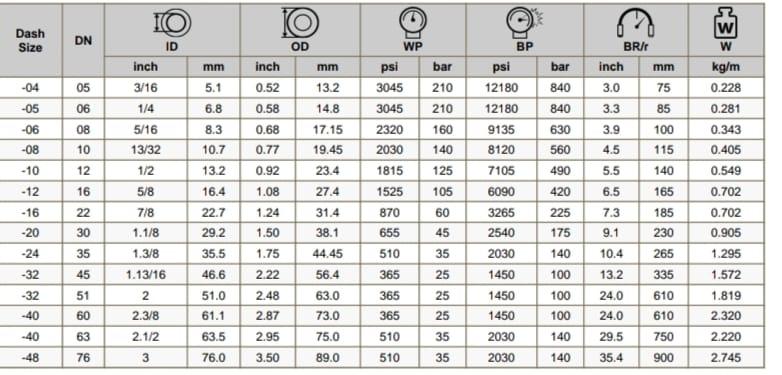
Material:Inner Liner: Made from synthetic rubber or thermoplastic materials, such as neoprene, nitrile, or PVC, depending on the hose’s intended use. The inner liner must be resistant to the specific gases it will transport, such as oxygen or acetylene.Reinforcement: Typically reinforced with layers of synthetic fabric or braided steel wires to provide strength and flexibility. This reinforcement helps the hose withstand high pressure and mechanical stress.Outer Cover: Constructed from a durable, abrasion-resistant material like synthetic rubber or thermoplastic. The outer cover protects the hose from external damage, such as cuts, abrasions, and exposure to environmental factors.Pressure Rating:Working Pressure: Welding hoses are designed to handle high pressures, typically ranging from 10 bar to 20 bar (approximately 150 psi to 300 psi), depending on the hose’s construction and the specific gases being transported.Temperature Range:Operating Temperature: Generally effective within a temperature range from -20°C to +70°C (-4°F to +158°F). The specific temperature range can vary based on the hose material and construction.Color Coding:Identification: Welding hoses are often color-coded to distinguish between different gases. For example, acetylene hoses are commonly red, while oxygen hoses are typically green. This color coding helps prevent confusion and ensures safety.Flexibility:Bending Radius: Designed to be flexible for ease of handling and routing around equipment and work areas. The hose’s flexibility allows it to be maneuvered without kinking or restricting gas flow.Safety Features:Burst Pressure: Welding hoses are built with a burst pressure much higher than the working pressure to ensure safety and prevent hose failure. This construction provides a safety margin to handle unexpected pressure surges.
WELDING HOSE
VIEW DETAILS
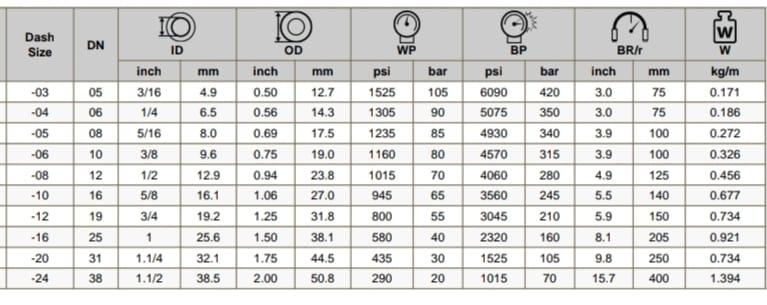
Material:Inner Liner: Often made from synthetic rubber (such as SBR or EPDM), polyurethane (PU), or thermoplastic rubber. The inner liner is designed to handle the pressure of compressed air and resist abrasion and wear.Reinforcement: Usually reinforced with textile braiding or spiral wires (such as steel or synthetic fibers) to provide strength and prevent collapse under high pressure. This reinforcement ensures the hose can withstand the pressures of compressed air systems and enhances its durability.Outer Cover: Typically constructed from abrasion-resistant rubber or thermoplastic materials. The outer cover protects the hose from external damage, including cuts, abrasions, and exposure to environmental factors.Pressure Rating:Working Pressure: Pneumatic tool hoses are designed to handle pressures typically ranging from 6 bar to 15 bar (approximately 90 psi to 225 psi), though some hoses can handle higher pressures depending on their design and construction.Temperature Range:Operating Temperature: Usually effective within a temperature range from -20°C to +60°C (-4°F to +140°F). The specific temperature range can vary based on the hose material and construction.Flexibility:Bending Radius: Designed to be flexible for ease of handling and maneuvering. The hose's flexibility allows it to be routed around equipment and obstacles without kinking or restricting airflow.Couplings and Fittings:Connections: Often fitted with quick-connect couplings or fittings that ensure secure attachment to pneumatic tools and compressors. These connections are designed for easy coupling and uncoupling, enhancing efficiency in changing tools or equipment.Safety Features:Burst Pressure: Pneumatic hoses are designed with a burst pressure significantly higher than their working pressure to ensure safety and prevent hose failure. The construction typically includes safety margins to handle unexpected pressure surges.
PNEUMATIC TOOL HOSE
VIEW DETAILS
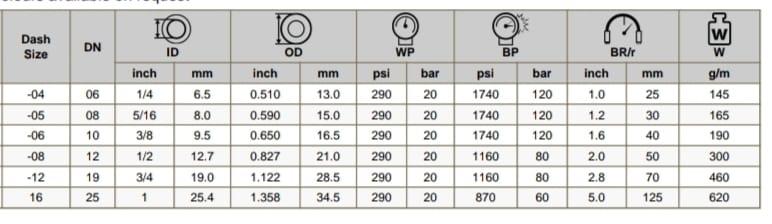
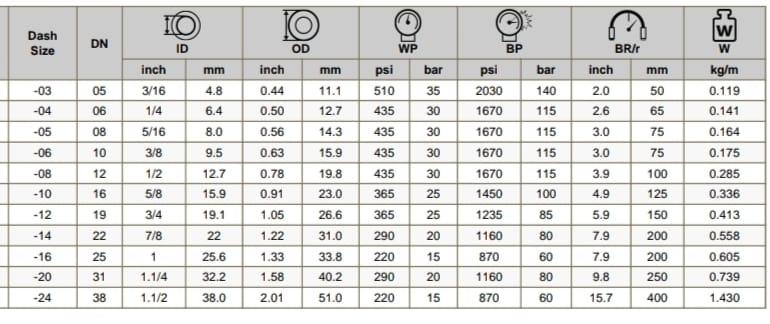
Material:Inner Liner: Made from PTFE, a high-performance fluoropolymer known for its chemical resistance, non-reactivity, and high-temperature tolerance. PTFE’s low friction properties ensure smooth fluid flow and minimal pressure drop.Reinforcement: Typically reinforced with stainless steel braiding or other high-strength materials. This reinforcement adds mechanical strength, helps the hose withstand higher pressures, and provides durability against external damage.Outer Cover: The outer cover is often made from additional layers of protective material, such as a rubber or thermoplastic compound, which enhances abrasion resistance and protects the hose from environmental factors.Pressure Rating:Working Pressure: PTFE gas hoses are designed to handle a range of pressures, from low to high, depending on the hose construction and application requirements. Typical working pressures can vary from 10 bar to 50 bar (approximately 150 psi to 725 psi), with some designs accommodating higher pressures.Temperature Range:Operating Temperature: PTFE hoses can operate effectively across a wide temperature range, from -70°C to +260°C (-94°F to +500°F), making them suitable for extreme temperature conditions.Chemical Resistance:Compatibility: PTFE’s inherent chemical resistance makes these hoses ideal for handling gases that are corrosive, reactive, or otherwise harsh. They are compatible with a wide range of chemicals, including acids, bases, solvents, and gases.Flexibility:Bending Radius: Designed to be flexible while maintaining durability, allowing for easier routing and installation in various setups. The flexibility can depend on the reinforcement and outer cover used.Safety Features:Reinforcement: Stainless steel or other high-strength reinforcement layers help prevent hose collapse under vacuum conditions and provide burst resistance.Compliance: Often manufactured to meet specific industry standards and regulations for gas handling and safety.
PTFE GAS HOSE
VIEW DETAILS
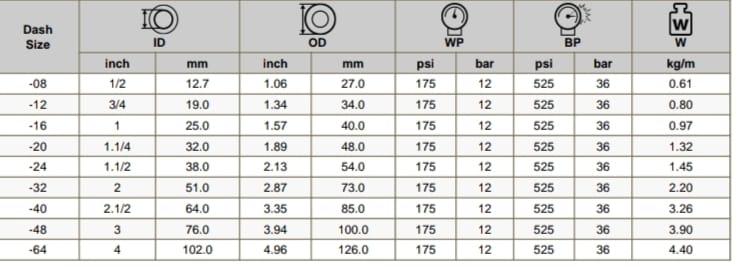
Shot Blasting HoseShot Blasting: This refers to a process where abrasive particles (such as steel shots, grit, or sand) are propelled at high speeds against a surface to clean it or prepare it for further processing, such as painting or coating. The hose is designed to handle the high-pressure air and abrasive materials used in this process.2. W.P. 12 BarW.P. (Working Pressure): This indicates the maximum pressure the hose can handle safely during operation.12 Bar: This is the working pressure rating of the hose, equivalent to approximately 174 PSI. It means the hose is designed to withstand pressures up to 12 bar without failure, making it suitable for high-pressure shot blasting applications.Features of a Shot Blasting HoseMaterial ConstructionInner Lining: Often made from high-quality rubber or synthetic materials, designed to withstand the abrasion from the blasting media.Reinforcement: Typically reinforced with textile or steel braiding to handle the high pressure and provide added strength and durability.Abrasion ResistanceDurability: The hose is constructed to resist wear and tear from the abrasive materials being transported. It needs to be robust to handle the continuous flow of gritty substances.FlexibilityBend Radius: Designed to be flexible enough for ease of handling and maneuverability during use, but without kinking or collapsing under pressure.Temperature RangeOperating Conditions: The hose may be designed to handle a specific temperature range depending on the material of construction and the operating conditions of the shot blasting equipment.CompatibilityAbrasive Materials: Suitable for use with various types of abrasive materials, such as steel shots, sand, or other blasting media, depending on the specific application.
SHOT BLASTING HOSE W.P. 12 BAR
VIEW DETAILS
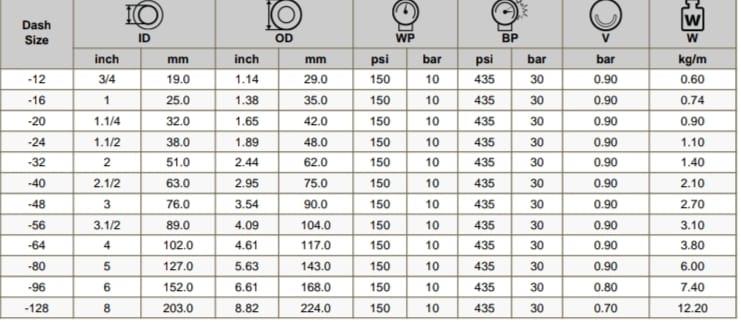
Purpose:Designed for transferring and handling petroleum-based fuels, oils, and other liquid hydrocarbons. Suitable for both suction (drawing in) and discharge (pumping out) applications.**2. Pressure Rating:Working Pressure (W.P.): 10 bar (approximately 145 psi). This is the maximum pressure the hose can safely handle during operation.**3. Construction:Inner Liner: Typically made from a rubber compound or synthetic material resistant to oils and fuels, such as Nitrile Rubber (NBR) or Viton. This liner ensures compatibility with various fuels and oils while preventing leakage or contamination.Reinforcement: The hose is reinforced with multiple layers of textile or steel wire braiding or spirals to provide strength and flexibility. This reinforcement allows the hose to withstand internal pressure and external stresses.Outer Cover: Made from a durable, abrasion-resistant material, such as a rubber or synthetic compound, designed to protect the hose from environmental factors and physical damage.**4. Dimensions:Diameter: Available in various diameters, such as 1 inch, 2 inches, 4 inches, etc., to accommodate different flow rates and application requirements.Length: Offered in standard lengths or customizable based on specific needs, commonly ranging from 10 meters (32 feet) to 50 meters (164 feet) or more.**5. Temperature Range:Designed to operate within a specified temperature range, often from -20°C to +80°C (-4°F to 176°F). Always refer to the manufacturer's specifications for the exact temperature limits.**6. Features:Oil and Fuel Resistant: The hose is designed to be resistant to a wide range of oils and fuels, preventing degradation and maintaining performance.Flexible and Durable: Provides flexibility for ease of handling while being durable enough to withstand harsh conditions and mechanical wear.Anti-Static Properties: Some hoses are equipped with anti-static properties to prevent the buildup of static electricity, which is crucial when handling flammable liquids.
OIL / FULE SUCTION & DISCHARGE HOSE W.
VIEW DETAILS
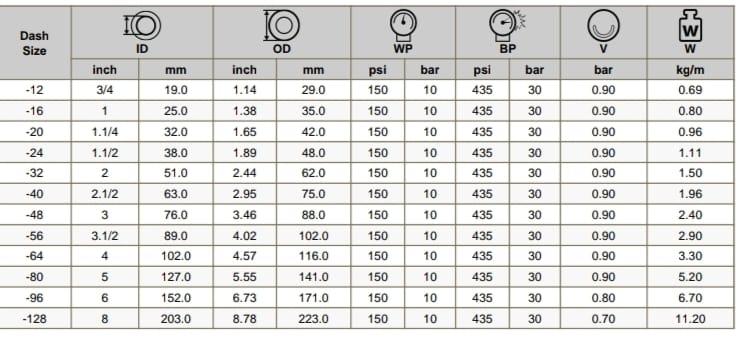
1. Purpose:Designed for transferring water in various applications, including agriculture, construction, and industrial processes. Suitable for both suction (drawing water) and discharge (pumping water) operations.**2. Pressure Rating:Working Pressure (W.P.): 10 bar (approximately 145 psi). This indicates the maximum pressure the hose can handle safely during operation.**3. Construction:Inner Liner: Typically made from synthetic rubber or PVC (Polyvinyl Chloride), which is resistant to abrasion, water, and varying temperatures.Reinforcement: The hose often has multiple layers of woven textile or spiral wire reinforcement to provide strength and flexibility. This reinforcement helps the hose withstand the internal pressure and external stresses.Outer Cover: Made from a durable, abrasion-resistant material, often rubber or PVC, designed to protect the hose from environmental factors and mechanical damage.**4. Dimensions:Diameter: Commonly available in various diameters, such as 1 inch, 2 inches, 3 inches, etc. The diameter will determine the flow capacity of the hose.Length: Available in standard lengths or customizable based on specific needs.**5. Temperature Range:Operational Temperature: Typically designed to operate within a specific temperature range, such as -10°C to +60°C (14°F to 140°F). Check the manufacturer's specifications for exact limits.**6. Flexibility and Handling:Designed to be flexible and easy to handle, making it suitable for various installations and applications. The flexibility helps in maneuvering the hose in tight spaces and around obstacles.**7. Compatibility:Fittings: Compatible with standard hose fittings and couplings, allowing for easy connection to pumps, valves, and other equipment.Applications: Ideal for use in water transfer applications, including irrigation, drainage, and water supply.**8. Safety Considerations:Ensure the hose is used within its specified pressure rating to avoid damage or failure.Regularly inspect the hose for signs of wear, damage, or leaks to maintain safe and effective operation.**9. Maintenance:Storage: Store the hose in a cool, dry place away from direct sunlight and harsh chemicals to prolong its lifespan.Cleaning: Rinse the hose after use to remove any debris or contaminants that might cause damage.This type of hose is versatile and robust, making it a valuable tool for many water-related applications. If you need specific details about the hose you're considering, such as exact dimensions, material specifications, or compliance standards, it's best to consult the manufacturer's datasheet or product guide.
WATER SUCTION & DISCHARGE HOSE W.P 10
VIEW DETAILS
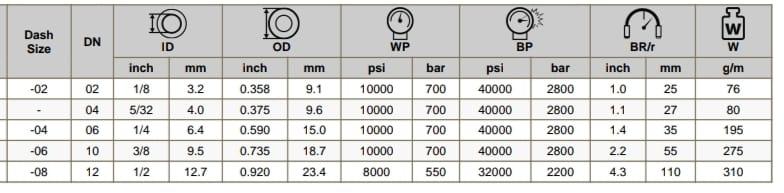
1. Purpose:Safety: The primary purpose of a non-conductive hose is to provide safety by preventing the passage of electrical current through the hose. This is important in environments where electrical hazards are present, such as in high-voltage areas or where electrical equipment is in use.**2. Construction:Inner Lining: Made from high-strength synthetic rubber or thermoplastic that is engineered to resist electrical conductivity. This material ensures that electrical currents do not pass through the hose.Reinforcement: The hose is reinforced with multiple layers of steel wire braiding or spiraling. While the reinforcement is primarily for handling high pressure and preventing the hose from collapsing, the materials used are selected to ensure they do not contribute to electrical conductivity.Outer Cover: The outer layer is made from a non-conductive material, often rubber or a specialized synthetic compound, which further insulates the hose from electrical currents. This cover is also designed to resist abrasion, chemicals, and environmental conditions.**3. Pressure Ratings:High Pressure: These hoses are designed to withstand very high pressures, typically ranging from a few thousand psi up to over 10,000 psi. They are constructed with a safety margin to handle pressures well beyond normal operating conditions.**4. Sizes and Specifications:Diameter: Available in various diameters to accommodate different flow rates and applications. Sizes are chosen based on the specific requirements of the hydraulic or pneumatic system.Temperature Range: Capable of operating in a wide temperature range, from very low to very high temperatures, depending on the materials used in the construction.
VERY HIGH PRESSURE JACK HOSE - NON CON
VIEW DETAILS
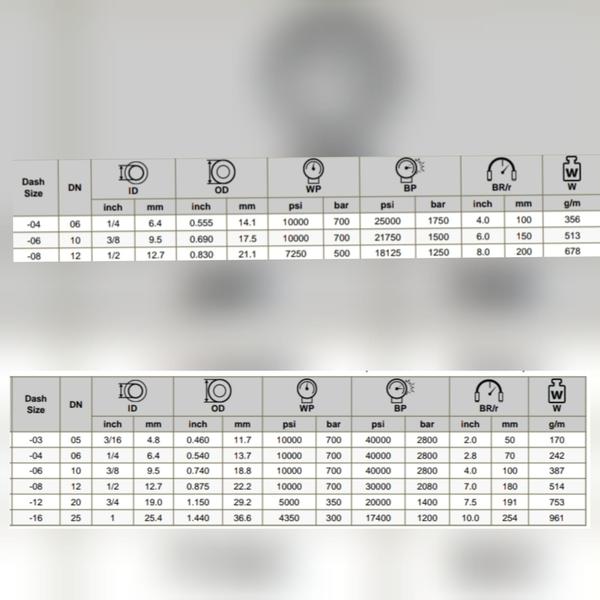
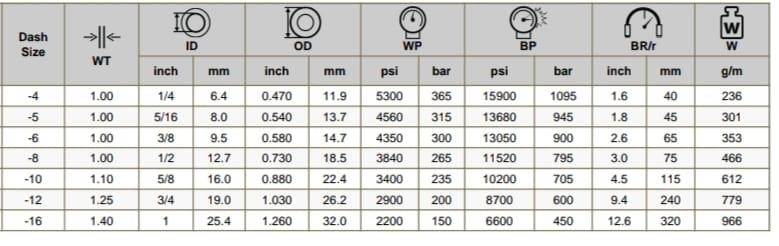
1. Purpose:Hydraulic Systems: These hoses are used to transmit hydraulic fluids under high pressure to operate machinery, such as excavators, forklifts, and other heavy equipment.Pneumatic Systems: They can also be used in pneumatic systems where high-pressure air or gases need to be conveyed.**2. Construction:Inner Lining: Made from a high-strength synthetic rubber or thermoplastic material that is resistant to the fluid or gas being transported. This lining is designed to withstand the internal pressures without leaking or bursting.Reinforcement: Typically reinforced with multiple layers of steel wire braiding or spiraling. This reinforcement provides the hose with the strength needed to handle high pressure and prevents it from collapsing under pressure.Outer Cover: The outer layer is usually made from a durable rubber or synthetic material that offers protection against abrasion, chemicals, and environmental conditions. It helps protect the internal components from external damage.**3. Pressure Ratings:Pressure Tolerance: These hoses are rated to handle pressures ranging from a few thousand psi to over 10,000 psi, depending on the specific design and application.Safety Margin: They are typically designed with a safety margin to ensure they can handle pressures well above the normal operating conditions.**4. Sizes and Specifications:Diameter: Available in various diameters to accommodate different flow rates and applications. Common sizes range from small diameters for precision tasks to large diameters for high-flow applications.Temperature Range: Designed to operate effectively across a wide temperature range, from very low to very high temperatures, depending on the materials used in construction.
VERY HIGH PRESSURE JACK HOSE
VIEW DETAILS
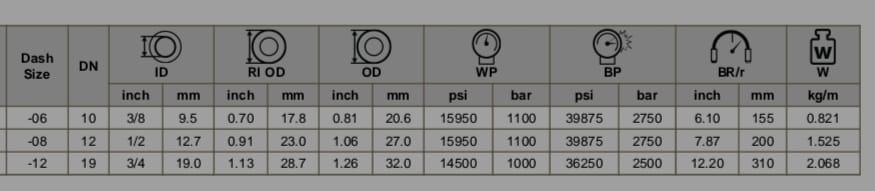
Water Blaster Toy: A toy designed for shooting streams of water. These are often used in outdoor games and come in various forms, from simple squirt guns to more elaborate water guns with pressurized mechanisms.Water Blasting (or Hydroblasting): A high-pressure water cleaning technique used to remove dirt, paint, or other materials from surfaces. This method uses extremely high-pressure water jets and is often employed in industrial cleaning, maintenance, and construction.Water Blast Event: An event or activity involving water-themed fun, such as water balloon fights, water gun battles, or foam parties where large amounts of water are involved.Water Blast (in Entertainment): Sometimes used to describe water-themed rides or attractions in amusement parks, like water slides or splash zones.
WATER BLAST 45
VIEW DETAILS
Water Blaster Toy: A toy designed for shooting streams of water. These are often used in outdoor games and come in various forms, from simple squirt guns to more elaborate water guns with pressurized mechanisms.Water Blasting (or Hydroblasting): A high-pressure water cleaning technique used to remove dirt, paint, or other materials from surfaces. This method uses extremely high-pressure water jets and is often employed in industrial cleaning, maintenance, and construction.Water Blast Event: An event or activity involving water-themed fun, such as water balloon fights, water gun battles, or foam parties where large amounts of water are involved.Water Blast (in Entertainment): Sometimes used to describe water-themed rides or attractions in amusement parks, like water slides or splash zones.
WATER BLAST 40
VIEW DETAILS
Water Blaster Toy: A toy designed for shooting streams of water. These are often used in outdoor games and come in various forms, from simple squirt guns to more elaborate water guns with pressurized mechanisms.Water Blasting (or Hydroblasting): A high-pressure water cleaning technique used to remove dirt, paint, or other materials from surfaces. This method uses extremely high-pressure water jets and is often employed in industrial cleaning, maintenance, and construction.Water Blast Event: An event or activity involving water-themed fun, such as water balloon fights, water gun battles, or foam parties where large amounts of water are involved.Water Blast (in Entertainment): Sometimes used to describe water-themed rides or attractions in amusement parks, like water slides or splash zones.
WATER BLAST 30
VIEW DETAILS
Design and Construction:Construction: The
Chemical Formula: CCl3F (Trichlorofluoromethane)Properties: R13 is a refrigerant with a very low boiling point (approximately -82°C or -116°F). It's a chlorofluorocarbon (CFC) compound, which means it contains chlorine, fluorine, and carbon.Uses: Historically used in very low-temperature refrigeration applications, such as in cryogenic systems and some specialized industrial cooling processes.Environmental Impact: R13 is an ozone-depleting substance. Its use has been significantly restricted or phased out under international agreements like the Montreal Protocol due to its contribution to ozone layer depletion. It has been largely replaced by alternative refrigerants that have a lower environmental impact.R13 in Other ContextsIf
Hydraulic Jack Hose:Purpose: Connects the hydraulic jack to the pump or the hydraulic system, allowing fluid to flow and operate the jack.Construction: Typically reinforced with multiple layers to withstand high pressure. The outer layer is often made of a durable, weather-resistant material.Features: High-pressure rating, flexibility for maneuverability, and resistance to hydraulic fluids and environmental conditions.Garden Hose with a Jack (or Hose with a Jack Mechanism):Purpose: If
JACK HOSE
VIEW DETAILS
Construction:Tube: Oil-resistant synthetic rubber, designed to handle petroleum-based fluids.Reinforcement: One textile braid (fiber or yarn), providing flexibility and resistance to kinking.Cover: Weather, abrasion, and ozone-resistant synthetic rubber, often designed to withstand harsh environmental conditions.Performance:Temperature Range: Typically between -40°C to +100°C (-40°F to +212°F).Pressure Rating: Designed for low-pressure applications, with working pressures significantly lower than R1 and R2 hoses.Standards:Meets or exceeds SAE 100 R6 specifications.Applications:Used in low-pressure hydraulic systems, such as return lines and suction lines.Suitable for general fluid transfer applications in industrial, agricultural, and automotive settings.Sizes:Available in various diameters, typically ranging from 3/16 inch to 3/4 inch, with corresponding pressure ratings suitable for low-pressure applications.Advantages:High flexibility and lightweight construction, making it easy to handle and install.Good resistance to oils, weathering, and abrasion, ensuring durability in various environments.Cost-effective solution for low-pressure fluid transfer needs.The R6 hose is ideal for applications where a flexible, lightweight, and oil-resistant hose is needed for low-pressure hydraulic or fluid transfer systems. Its construction allows for reliable performance in less demanding hydraulic applications while maintaining durability and resistance to environmental factors.Construction:Tube: Oil-resistant synthetic rubber, designed to handle petroleum-based fluids.Reinforcement: One textile braid (fiber or yarn), providing flexibility and resistance to kinking.Cover: Weather, abrasion, and ozone-resistant synthetic rubber, often designed to withstand harsh environmental conditions.Performance:Temperature Range: Typically between -40°C to +100°C (-40°F to +212°F).Pressure Rating: Designed for low-pressure applications, with working pressures significantly lower than R1 and R2 hoses.Standards:Meets or exceeds SAE 100 R6 specifications.Applications:Used in low-pressure hydraulic systems, such as return lines and suction lines.Suitable for general fluid transfer applications in industrial, agricultural, and automotive settings.Sizes:Available in various diameters, typically ranging from 3/16 inch to 3/4 inch, with corresponding pressure ratings suitable for low-pressure applications.Advantages:High flexibility and lightweight construction, making it easy to handle and install.Good resistance to oils, weathering, and abrasion, ensuring durability in various environments.Cost-effective solution for low-pressure fluid transfer needs.The R6 hose is ideal for applications where a flexible, lightweight, and oil-resistant hose is needed for low-pressure hydraulic or fluid transfer systems. Its construction allows for reliable performance in less demanding hydraulic applications while maintaining durability and resistance to environmental factors.
Construction:Tube: Oil-resistant synthetic rubber.Reinforcement: Two textile braids (fiber or yarn), providing flexibility and resistance to kinking.Cover: Weather, abrasion, and ozone-resistant synthetic rubber.Performance:Temperature Range: Typically between -40°C to +100°C (-40°F to +212°F).Pressure Rating: Suitable for low-pressure hydraulic applications, with working pressures generally lower than those of R1 and R2 hoses.Standards:Meets or exceeds SAE 100 R3 specifications.Applications:Used in low-pressure hydraulic systems, fuel oil lines, air and water lines, and return lines.Commonly found in agricultural machinery, industrial equipment, and automotive systems.Sizes:Available in various diameters, typically ranging from 1/4 inch to 1 inch, with corresponding pressure ratings.Advantages:Highly flexible due to textile reinforcement.Lightweight and easy to handle.
The R5 hydraulic hose is specifically designed for low-pressure hydraulic applications. It features a construction that provides flexibility and durability while handling moderate pressures and various environmental conditions.1. Construction:Inner Tube: Made of synthetic rubber or thermoplastic material, designed to resist hydraulic fluids and maintain flexibility.Reinforcement: Typically reinforced with textile or fabric braid. This provides structural strength and flexibility but is suitable for lower pressure applications compared to hoses with metal wire reinforcement.Outer Cover: Usually constructed from synthetic rubber or thermoplastic material to protect against abrasion, weathering, and environmental factors. This cover also adds to the hose's durability and flexibility.2. Performance Characteristics:Pressure Rating: Generally rated for lower pressure ranges, around 1500 psi (10 MPa). This makes it ideal for applications where high pressure is not a critical factor.Temperature Range: Often designed to handle temperatures from -40°F to +212°F (-40°C to +100°C), but this can vary based on the specific material and manufacturer specifications.Flexibility: High flexibility due to the textile reinforcement, which allows the hose to bend and twist more easily than high-pressure hoses.

Filter using tags

HYDRAULIC HOSE PIPE SUPPLIER IN VADODARA GUJARATSuitable for hydraulic fluids like mineral and vegCommonly used in high-pressure hydraulic systems, Suitable for hydraulic systems in industries like Used in applications requiring high-pressure fluidAlso used in marine and offshore applications wherLow-pressure hydraulic systemsAir brake systemsAgricultural machineryGeneral industrial applicationsLow-Pressure Hydraulic Systems:Fuel Oil LinesAir and Water LinesLubrication SystemsGeneral Industrial ApplicationsLow-Pressure Hydraulic SystemsGeneral Industrial Fluid TransferAgricultural Machinery:Automotive ApplicationCooling Systems:Automotive RepairConstruction EquipmentIndustrial ApplicationsAgricultural MachineryAerospaceOracle E-Business Suite R1212 RefrigerantR12 in Other FieldsCryogenic CoolingIndustrial RefrigerationLow-Temperature RefrigerationSpecialized Cooling SystemsIndustrial MachineryMining EquipmentOil and Gas IndustryMarine ApplicationsAutomotive IndustryAerospace IndustryIndustrial CleaningConcrete and Surface PreparationPipe and Drain CleaningPaint RemovalSurface Preparation for MaintenanceEnvironmental CleaningConstruction and MiningAutomotiveElectrical SafetyIndustrial and ConstructionAerospace and AutomotiveHydraulic SystemsPneumatic SystemsAutomotive and AerospaceSolar Panel and Wind Turbine ModelsData Collection ToolsInteractive SoftwareSensors and MetersBuilding MaterialsUnderstand the RequirementsPrepare Your MaterialsFocus on STEAM ElementsOrganize Your ApplicationProofread and ReviewSubmit and Follow UpAgricultureConstructionIndustrial:MunicipalIndustriaEmergency ResponseFuel TransferOil HandlingMarineIndustrialCement and Concrete HandlingSand and GravelGrain HandlingFeed TransportOre and Mineral TransferTailings ManagementPowdered IngredientsBulk Food ProductsChemical TransferPharmaceuticalsGranules and PowdersRecycled MaterialsWaste HandlingSurface PreparationFinishing WorkMaintenanceSuitable for use in industries such as manufacturiCommonly used for powering pneumatic tools, machinCommonly used in chemical processing, pharmaceuticSuitable for both suction and discharge applicatioUsed in various industries, including chemical proSuitable for use in environments where high perforIdeal for construction sites, mining operations, dCommonly used for suction and discharge applicatioUsed in construction equipment such as excavators,Applied in agricultural machinery like tractors, hUtilized in automotive applications for hydraulic Construction:Automotive:Applied in automotive hydraulic systems for vehiclSewer Cleaning:Blockage Removal: Effectively clears blockages cauAutomotive Painting:Used for painting cars, trucks, and other vehiclesVehicle Finishes: Ideal for applying automotive paHigh-Pressure Applications: Commonly used in hydraChemical Handling:Fluid Transfer: Suitable for transferring hydrauliPerformance Vehicles: Used in performance and raciAerospace:Aircraft Hydraulic Systems: Employed in aerospace Chemical Processing:Transporting Gases: Used in chemical processing plLaboratory:Gas Handling: Employed in laboratories for handlinIndustrial Equipment:Manufacturing: Utilized in industrial settings forPharmaceutical:Production: Applied in pharmaceutical manufacturinFluid Transfer: Ideal for transferring corrosive oProduction and Handling: Used in pharmaceutical maGas and Fluid Handling: Employed in laboratories fOil and Gas:Extraction and Transport: Used in the oil and gas Repair and Maintenance: Used to power various pneuTools and Equipment: Employed on construction siteManufacturing:Assembly and Production: Used in manufacturing facIndustrial Maintenance:Facility Maintenance: Applied in industrial settinDIY and Home Improvement:Oxy-Acetylene Welding:Welding and Cutting: Used in oxy-acetylene weldingGas Metal Arc Welding (GMAW):Shielding Gas: In gas metal arc welding (GMAW) or Gas Tungsten Arc Welding (GTAW):Shielding Gas: For gas tungsten arc welding (GTAW)Repair and Maintenance: Employed in industrial setFabrication:Metalworking: Used in metal fabrication shops for Air Tools and Equipment: Used to supply compressedWater Supply: Used for water supply and distributiAgriculture:Irrigation: Applied in agricultural settings for iAir-Driven Tools: Used to power various air-drivenSite Maintenance: Used on construction sites for bCommercial:Cleaning and Maintenance: Employed in commercial sFluid Transfer: Used in industrial applications foHigh-Pressure Systems: Employed in high-pressure aCorrosive Fluids: Used to transfer corrosive or haExploration and Production: Applied in the oil andAircraft Systems: Used in aerospace applications f
HYDRAULIC HOSE PIPE SUPPLIER IN VADODARA GUJARAT |Suitable for hydraulic fluids like mineral and veg |Commonly used in high-pressure hydraulic systems, |Suitable for hydraulic systems in industries like |Used in applications requiring high-pressure fluid |Also used in marine and offshore applications wher |Low-pressure hydraulic systems |Air brake systems |Agricultural machinery |General industrial applications |Low-Pressure Hydraulic Systems: |Fuel Oil Lines |Air and Water Lines |Lubrication Systems |General Industrial Applications |Low-Pressure Hydraulic Systems |General Industrial Fluid Transfer |Agricultural Machinery: |Automotive Application |Cooling Systems: |Automotive Repair |Construction Equipment |Industrial Applications |Agricultural Machinery |Aerospace |Oracle E-Business Suite R12 |12 Refrigerant |R12 in Other Fields |Cryogenic Cooling |Industrial Refrigeration |Low-Temperature Refrigeration |Specialized Cooling Systems |Industrial Machinery |Mining Equipment |Oil and Gas Industry |Marine Applications |Automotive Industry |Aerospace Industry |Industrial Cleaning |Concrete and Surface Preparation |Pipe and Drain Cleaning |Paint Removal |Surface Preparation for Maintenance |Environmental Cleaning |Construction and Mining |Automotive |Electrical Safety |Industrial and Construction |Aerospace and Automotive |Hydraulic Systems |Pneumatic Systems |Automotive and Aerospace |Solar Panel and Wind Turbine Models |Data Collection Tools |Interactive Software |Sensors and Meters |Building Materials |Understand the Requirements |Prepare Your Materials |Focus on STEAM Elements |Organize Your Application |Proofread and Review |Submit and Follow Up |Agriculture |Construction |Industrial: |Municipal |Industria |Emergency Response |Fuel Transfer |Oil Handling |Marine |Industrial |Cement and Concrete Handling |Sand and Gravel |Grain Handling |Feed Transport |Ore and Mineral Transfer |Tailings Management |Powdered Ingredients |Bulk Food Products |Chemical Transfer |Pharmaceuticals |Granules and Powders |Recycled Materials |Waste Handling |Surface Preparation |Finishing Work |Maintenance |Suitable for use in industries such as manufacturi |Commonly used for powering pneumatic tools, machin |Commonly used in chemical processing, pharmaceutic |Suitable for both suction and discharge applicatio |Used in various industries, including chemical pro |Suitable for use in environments where high perfor |Ideal for construction sites, mining operations, d |Commonly used for suction and discharge applicatio |Used in construction equipment such as excavators, |Applied in agricultural machinery like tractors, h |Utilized in automotive applications for hydraulic |Construction: |Automotive: |Applied in automotive hydraulic systems for vehicl |Sewer Cleaning: |Blockage Removal: Effectively clears blockages cau |Automotive Painting: |Used for painting cars, trucks, and other vehicles |Vehicle Finishes: Ideal for applying automotive pa |High-Pressure Applications: Commonly used in hydra |Chemical Handling: |Fluid Transfer: Suitable for transferring hydrauli |Performance Vehicles: Used in performance and raci |Aerospace: |Aircraft Hydraulic Systems: Employed in aerospace |Chemical Processing: |Transporting Gases: Used in chemical processing pl |Laboratory: |Gas Handling: Employed in laboratories for handlin |Industrial Equipment: |Manufacturing: Utilized in industrial settings for |Pharmaceutical: |Production: Applied in pharmaceutical manufacturin |Fluid Transfer: Ideal for transferring corrosive o |Production and Handling: Used in pharmaceutical ma |Gas and Fluid Handling: Employed in laboratories f |Oil and Gas: |Extraction and Transport: Used in the oil and gas |Repair and Maintenance: Used to power various pneu |Tools and Equipment: Employed on construction site |Manufacturing: |Assembly and Production: Used in manufacturing fac |Industrial Maintenance: |Facility Maintenance: Applied in industrial settin |DIY and Home Improvement: |Oxy-Acetylene Welding: |Welding and Cutting: Used in oxy-acetylene welding |Gas Metal Arc Welding (GMAW): |Shielding Gas: In gas metal arc welding (GMAW) or |Gas Tungsten Arc Welding (GTAW): |Shielding Gas: For gas tungsten arc welding (GTAW) |Repair and Maintenance: Employed in industrial set |Fabrication: |Metalworking: Used in metal fabrication shops for |Air Tools and Equipment: Used to supply compressed |Water Supply: Used for water supply and distributi |Agriculture: |Irrigation: Applied in agricultural settings for i |Air-Driven Tools: Used to power various air-driven |Site Maintenance: Used on construction sites for b |Commercial: |Cleaning and Maintenance: Employed in commercial s |Fluid Transfer: Used in industrial applications fo |High-Pressure Systems: Employed in high-pressure a |Corrosive Fluids: Used to transfer corrosive or ha |Exploration and Production: Applied in the oil and |Aircraft Systems: Used in aerospace applications f

Have any question or need any business consultation?

Have any question or need any business consultation?

Contact Us